Recipes

Classic Basil Pesto: A Simple Recipe for a Summer Glut
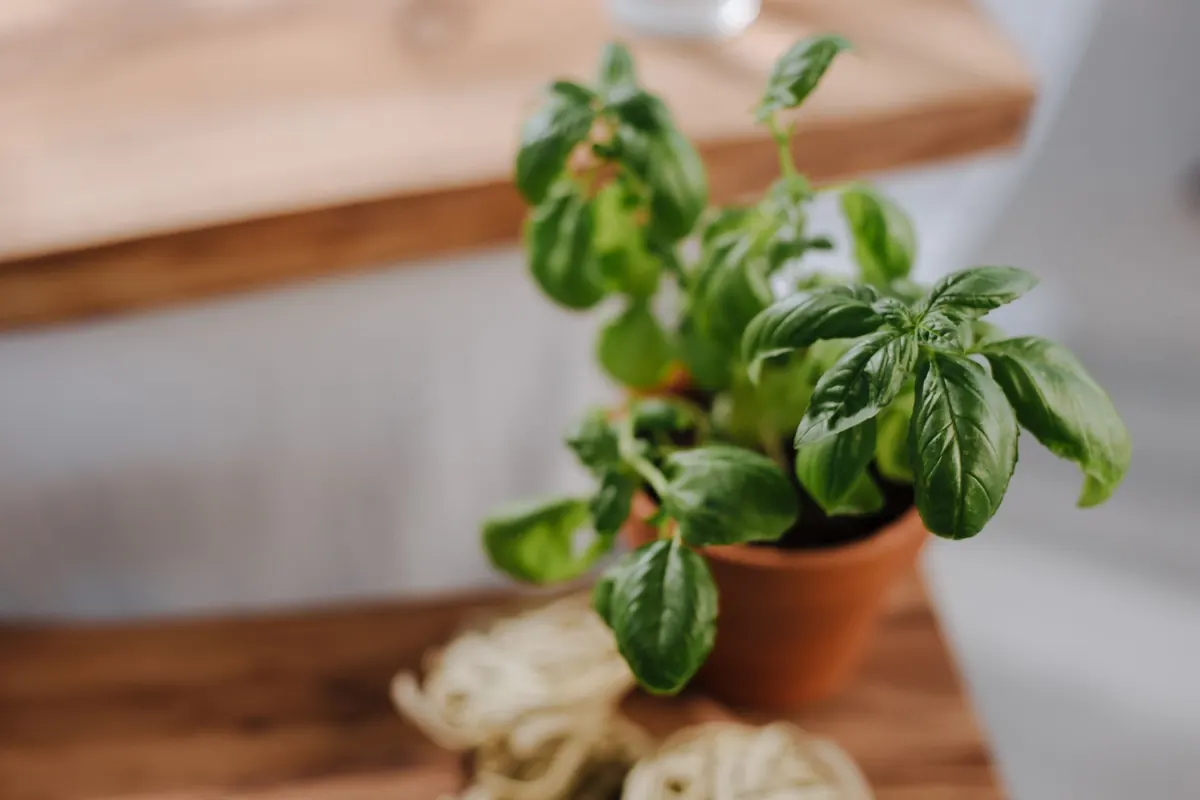
There is a point in late summer when a single basil plant stops being a garnish and becomes a problem. The leaves arrive faster than you can use them, the stems are going woody, and pinching out the flowers only seems to encourage more growth. Pesto is the answer. It is also one of the few recipes where a glut genuinely improves the result, because a big batch costs barely more effort than a small one. Make it in bulk, freeze it in small portions, and you will be eating real summer basil in February.
What makes a classic pesto
A traditional pesto Genovese is seven ingredients: basil, pine nuts, garlic, coarse salt, Parmigiano Reggiano, pecorino and olive oil. No lemon, no spinach, no chilli. Families in Liguria argue about the ratios, but a workable starting point for one jar is 50g of basil leaves, 30g of nuts, a small clove of garlic, 50g of grated cheese and 100–150ml of oil.
Purists pound it in a marble mortar, and there is a real difference: crushing the leaves against the salt breaks them open gently, so the pesto stays bright green and silky. A food processor chops rather than crushes, which bruises the leaves and warms them. It still makes very good pesto, it takes three minutes, and on a weekday evening that counts for a lot. Use the pulse setting and keep everything cold.
The ingredients, and what to use in a UK kitchen
Basil
Sweet Genovese is the variety to grow for pesto: large, soft leaves with a clean, faintly sweet flavour. If your pots are a mix, keep purple basil out of the jar — it turns a muddy brown and tastes muddier still — and leave Thai basil for curries, where its aniseed note belongs. Bush basil works well too. If a small harvest leaves you short, a few parsley or mint leaves will stretch it, though once parsley dominates you have made something else, which is fine as long as you call it that.
Wash the leaves and dry them thoroughly. Water left on them dilutes the flavour and speeds up browning. If you are freezing the pesto rather than eating it this week, blanch the leaves for fifteen seconds, cool them in iced water, then squeeze dry. It costs a little flavour and holds the colour for months.
Nuts
Pine nuts are expensive and go rancid quickly, so buy small quantities and keep them in the fridge. Blanched almonds are the best substitute: cheaper, nuttier, just as good here. Cashews give a creamier result, walnuts a bitter edge, and sunflower seeds make a neutral, inexpensive version. Toast whatever you use in a dry pan until it smells nutty, then let it cool completely before blitzing.
Cheese
Parmigiano Reggiano brings depth; pecorino brings salt and a sharp, sheepy bite. A rough 70/30 mix is a good default, and Grana Padano is a cheaper, milder option if you are making pesto by the litre. Grate it yourself — ready-grated cheese is coated in starch that turns the pesto gritty. If you eat vegetarian, check the label: traditional Parmesan and pecorino are made with animal rennet.
Oil
Use a decent extra virgin olive oil, but not the bottle you save for drizzling. A grassy, peppery oil at a middling price stands up to the basil and the cheese; a delicate finishing oil is wasted, and “light” olive oil is best avoided. A spoonful of iced water added early keeps everything cool and makes a looser, greener pesto.
Balancing garlic, cheese and oil
Garlic. Too much is the most common fault. One small clove per 50g of leaves is plenty, because raw garlic sharpens over the first day or so — a pesto that tastes right straight from the processor will taste aggressive tomorrow. For a rounder flavour, drop the clove into boiling water for thirty seconds first, or roast it. Discard the green shoot inside older cloves; it is harsh and bitter.
Cheese. Cheese brings salt and savoury depth, but it also brings body. Too much and you get a stiff paste that clumps on the fork; too little and the pesto tastes thin and grassy. Add it in two goes, tasting in between. A pesto headed for pasta can be a touch saltier than one you will spoon over tomatoes, because the pasta water you loosen it with will dilute it.
Oil. Oil is the part most people underdo. Pesto should fall off a spoon in a slow ribbon, not sit in a scoopable mound. Pour it in a steady stream with the motor running and stop when the mixture moves freely — you will probably use more than the recipe suggests. If it firms up in the fridge, loosen it with a little warm water or more oil rather than heating it through.
Method
- Pick the basil, wash it and dry it well. Strip the leaves and discard the thick stems.
- Toast the nuts in a dry pan, then leave them to cool.
- In a food processor, blitz the garlic and nuts to a coarse paste.
- Add the basil and pulse, scraping down the sides, until finely chopped but not puréed.
- Add the cheese and pulse briefly. With the motor running, pour in the oil in a thin stream, plus a spoonful of iced water if it looks thick.
- Taste, adjust with salt, cheese or oil, and use within a few days or freeze.
With a mortar, pound the garlic with a pinch of coarse salt first, then the nuts, then the leaves a handful at a time, then the cheese, and finally the oil, a little at a time, until it emulsifies.
Keeping it, freezing it, and one safety note
Pesto keeps in the fridge in a clean jar for three or four days. Press cling film onto the surface, or pour a thin film of oil on top, to keep the air off and the colour bright. It contains raw garlic in oil, which is not something to store casually at room temperature, so keep it cold, use it quickly, and freeze whatever you will not finish in that window.
For freezing, spoon the pesto into an ice cube tray, freeze until solid, then tip the cubes into a bag. Some cooks leave the cheese out of frozen batches and stir it in after defrosting, which keeps the texture finer; either way works. Defrost overnight in the fridge, or drop a cube straight into a hot pan.
Ways to use it beyond pasta
Toss it through new potatoes while they are still warm, so the pesto loosens and soaks in. Thin it with a little oil and vinegar and spoon it over sliced tomatoes. Swirl a spoonful into minestrone or courgette soup. Spread it on toast under a poached egg, or through a tray of roasted peppers and courgettes. A Genoese classic worth copying is long pasta boiled with diced potato and green beans, then tossed with pesto and a splash of the cooking water.
Make the most of the glut
Pick basil in the morning, after the dew has dried but before the sun has been on it for long, and use it the same day. Keep pinching out flower buds so the plant goes on making leaves rather than seed. If you have more than one jar’s worth, set up a small production line: nuts toasting, cheese grating, basil drying on a tea towel, trays of cubes going into the freezer. Label everything with a date. A basil glut is a short-lived problem, and the answer takes about twenty minutes.
Photo: Pezibear / Pixabay